
The Benefits of Doing a Cold Water Orientation Dive

For many divers, certification takes place in warm, clear tropical waters where visibility is excellent, temperatures are comfortable, and conditions are relatively forgiving. While these experiences create great memories and build foundational scuba skills, they don't always prepare divers for the unique conditions they may encounter while scuba diving in Alberta.
If you're new to local Alberta diving, returning to diving after a break, or have only experienced tropical diving, a cold-water orientation dive with a qualified instructor can be one of the best investments you make in your diving journey.
What is a Cold Water Dive Orientation?
A cold-water dive orientation is a supervised dive or series of dives conducted with a qualified scuba instructor in a local Alberta lake. The purpose is not to teach a certification course but to help divers safely transition their existing skills to Alberta's freshwater diving environment.
During an orientation dive, divers become familiar with:
Think of it as a bridge between your certification dives and becoming a confident local diver.
Why Alberta Diving is Different
Many divers are surprised by how different scuba diving in Alberta can feel compared to diving in destinations such as Mexico, Belize, Hawaii, Thailand, or the Caribbean.
Some common differences include:
These differences don't make Alberta diving difficult—they simply require some adjustment and experience.
The Benefits of a Cold Water Dive Orientation
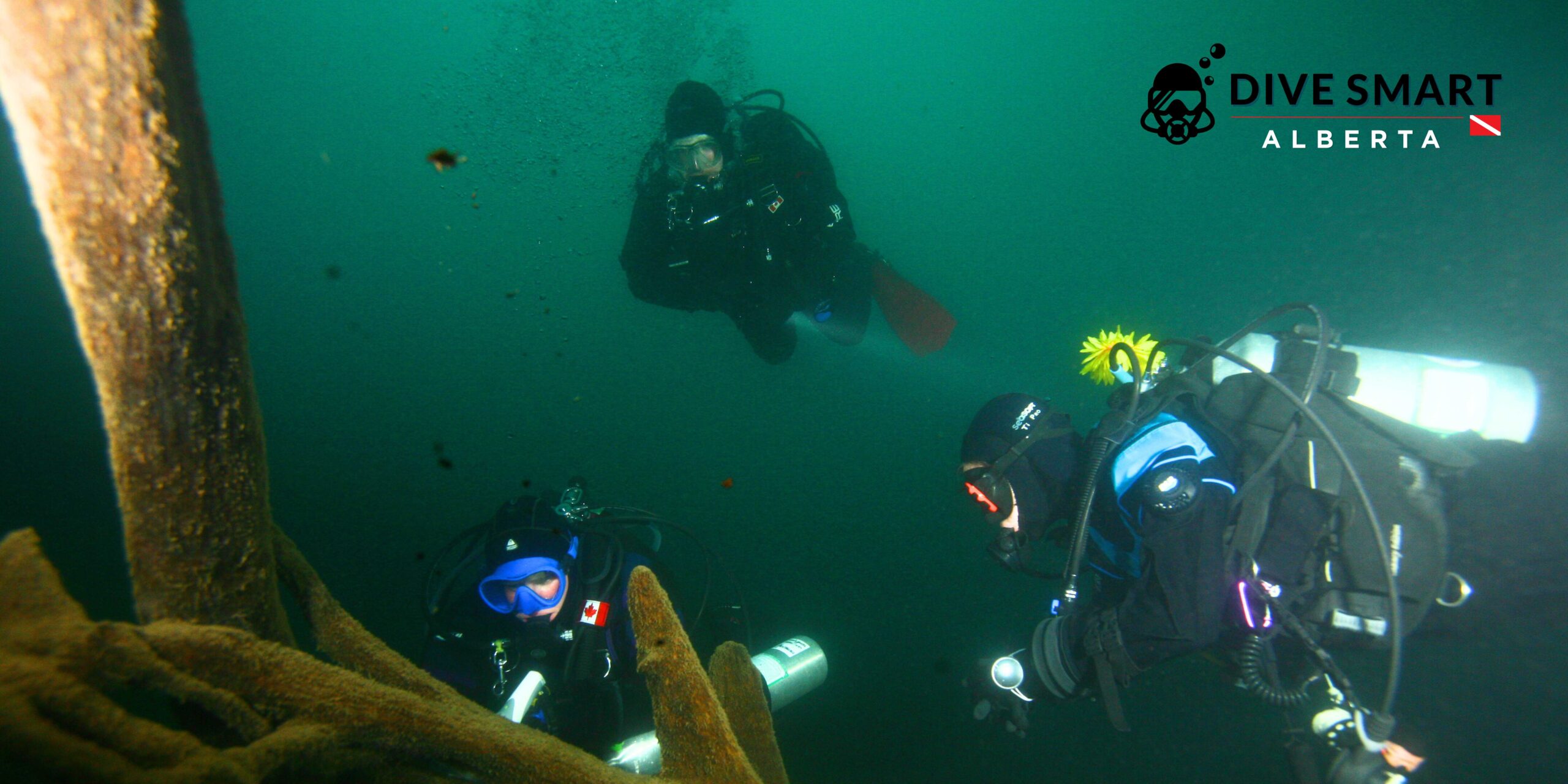
Increased Safety and Awareness
The primary benefit of an orientation dive is safety.
An instructor can identify and correct issues before they become problems. Small adjustments to weighting, buoyancy control, trim, or equipment configuration can make a significant difference in diver comfort and safety.
Many common diving incidents occur when divers enter unfamiliar environments without adequate preparation.
Improved Buoyancy Control
Cold-water exposure suits create additional buoyancy challenges.
Divers often discover they require different weighting than they used during tropical dives. An orientation dive allows an instructor to help fine-tune weighting and buoyancy techniques, leading to more enjoyable and controlled dives.
Greater Confidence
It's normal for divers to feel nervous when entering cold, dark, or unfamiliar water for the first time.
A guided orientation dive allows divers to focus on enjoying the experience while knowing an experienced professional is nearby to provide support and guidance.
Many divers find their confidence increases dramatically after just one or two local dives.
Learn Local Conditions
Local instructors understand Alberta's lakes and can share valuable information about:
This local knowledge helps divers become safer and more self-sufficient.
Prepare for Future Alberta and Canadian Adventures
Whether your goal is recreational diving, underwater photography, wreck diving, ice diving, or eventually exploring deeper sites, an orientation dive provides a strong foundation for future experiences.
The skills learned during local orientation dives often transfer to other cold-water environments throughout Canada.
What to Expect During an Orientation Dive
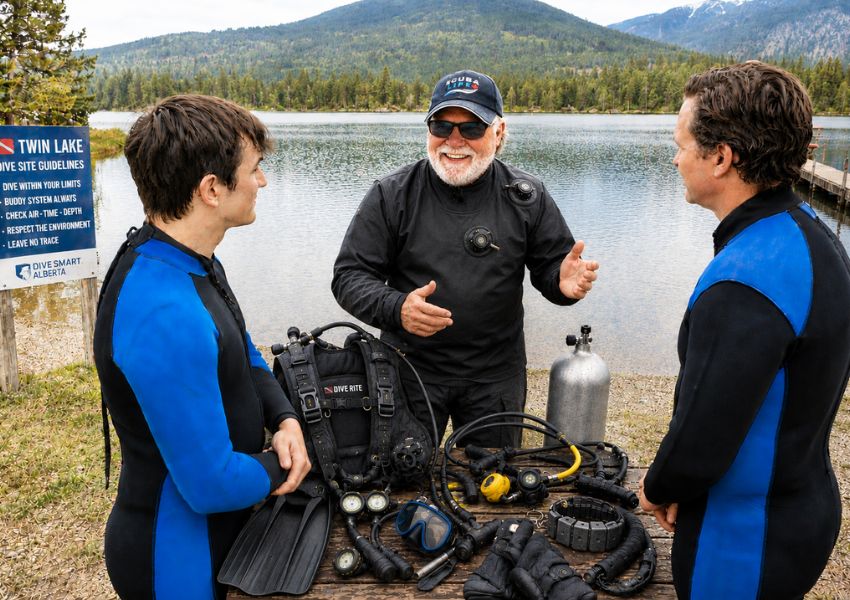
An orientation dive typically begins with a briefing about the dive site, local conditions, and the objectives of the dive. Your instructor will review your equipment setup, ensure you are properly weighted, and help you become comfortable with the colder water and reduced visibility often found in Alberta lakes.
During the dive, you may practice basic skills such as buoyancy control, mask clearing, and underwater communication while exploring the site under the guidance of an experienced local instructor.
After the dive, you'll receive feedback and recommendations to help you continue developing your confidence and skills while enjoying safe and rewarding scuba diving in Alberta.
Who Are Orientation Dives For?
Cold Water Orientation dives are ideal for:
Even experienced divers often benefit from an orientation when visiting a new location or diving environment.
Common Concerns About Alberta Lake Diving
"The Water is Too Cold"
With proper exposure protection and guidance, Alberta lake diving can be comfortable and enjoyable. Many divers are surprised by how quickly they adapt.
"I Won't Be Able to See Anything"
Visibility varies by location and season. Some Alberta lakes offer surprisingly good visibility, especially during certain times of the year. An instructor can recommend sites and seasons that provide the best conditions for newer divers.
"I'm Not Experienced Enough"
Orientation dives are specifically designed for divers with limited local experience. You don't need advanced certifications or hundreds of dives to participate.
Where Can You Sign Up for an Orientation Dive?
Many Alberta dive instructors and dive centres offer orientation dives and local guided diving experiences.
When selecting an instructor, look for someone who:
Here are a few connections:
If you're new to scuba diving in Alberta, consider scheduling one day, 2 orientation dives before planning independent dives with buddies.
Final Thoughts
Alberta offers some good, convenient freshwater diving opportunities, but local conditions can be very different from the tropical waters where many divers first learn to dive.
A cold-water orientation dive provides an opportunity to build confidence, improve skills, increase safety, and become comfortable with local Alberta diving conditions.
Whether you're newly certified, visiting from another region, or returning to diving after time away, an orientation dive can help ensure your first Alberta diving experiences are enjoyable, safe, and rewarding.
The more comfortable you become with local conditions, the more opportunities you'll have to explore everything Alberta's underwater world has to offer.