Thinking About Hiring a Diver?
Hiring a diver to do underwater work is not as straightforward as you may think.
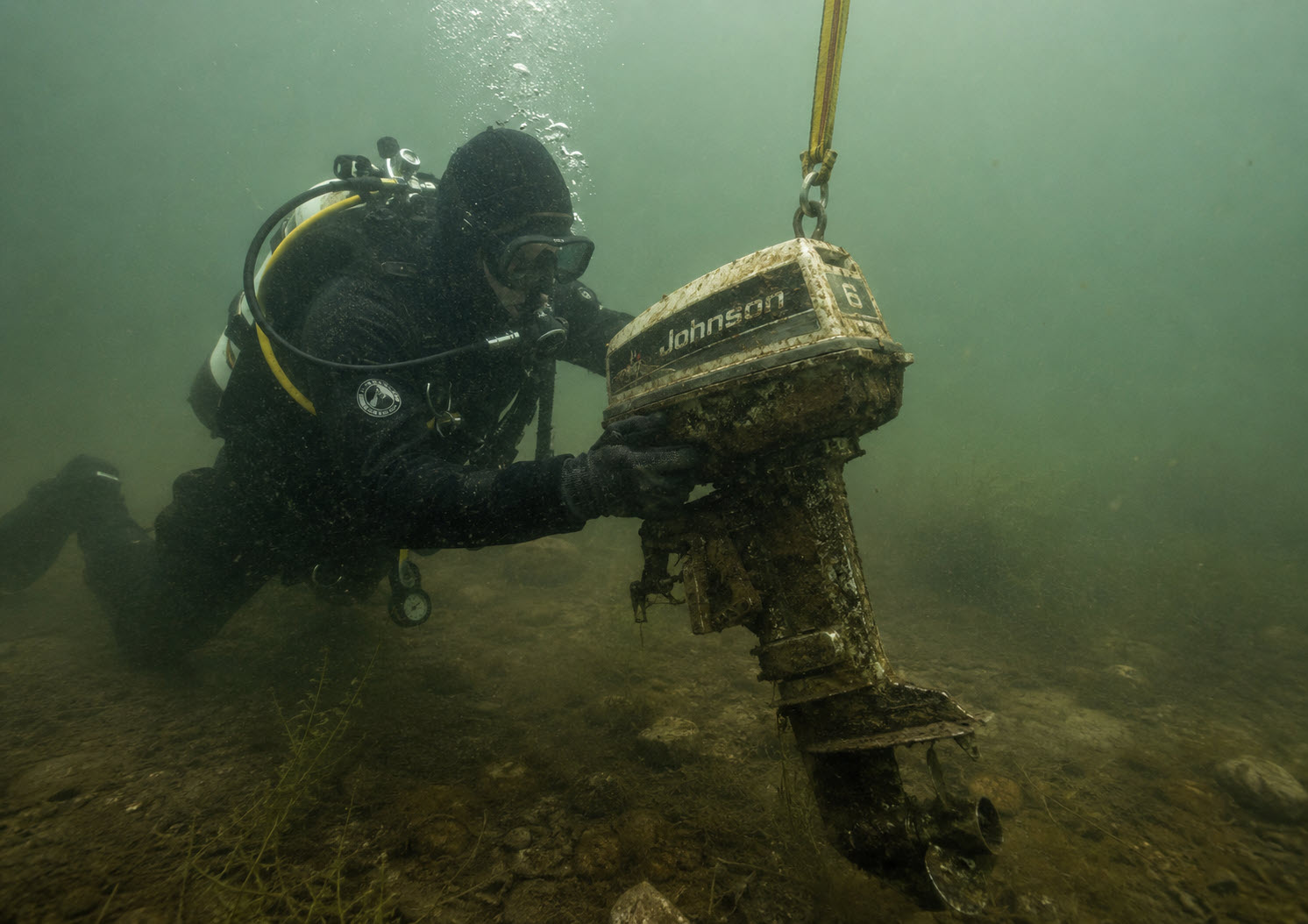
In Alberta, if a person or business hires someone to perform underwater work for compensation—whether it's recovering an outboard motor, inspecting a dock, clearing a water intake, retrieving golf balls, conducting a search, or performing maintenance—the activity can fall under occupational diving requirements rather than recreational diving. Alberta's Occupational Health and Safety Code contains a specific section governing diving operations.
The Common Misunderstanding.
Many people assume:
Many people assume:
Therefore, they think the person is qualified to do underwater work.
That is not necessarily true.
A recreational scuba certification teaches a person how to dive recreationally. It does not automatically qualify them to perform occupational underwater work. Occupational diving has its own training, supervision, safety planning, emergency procedures, crew requirements, and regulatory framework.
Read this article about
Potential Liability of the Person Hiring the Diver
If something goes wrong, the person or business that hired the diver could face several forms of liability.
1. Civil Liability
If the diver is injured or killed, the hiring party may be sued.
Questions that may arise include:
A court may determine that the hiring party was negligent if it failed to exercise reasonable care:
2. Occupational Health and Safety Liability
If the work falls within occupational diving regulations, Alberta OHS may investigate.
Questions may include:
Violations can result in substantial penalties.
3. Criminal Liability
This is where many people become surprised.
Under Canada's Criminal Code (Bill C-45, often called the Westray Law), organizations and individuals directing work activities have a legal duty to take reasonable steps to prevent bodily harm. Failure to do so can lead to criminal charges if negligence contributes to a serious injury or death.
Imagine:
Investigators could examine not only the diver's actions but also the decisions of the person who hired them.
Read this Diver Incident Report
When a Favour Becomes Underwater Work
A common scenario is:
"I'll give you $200 to go down and get my anchor."
"I'll pay you $500 to inspect my intake pipe."
"Can you recover my ATV from the pond?"
The moment compensation is exchanged, regulators may view the activity as work rather than recreational diving. The diver and the person hiring them may have entered the realm of occupational diving requirements
So if money is not exchanged, its OK, right?
The key issue is often not whether money changed hands, but whether the person was performing work on behalf of someone else.
From a liability perspective, a court, regulator, or investigator will typically look at the substance of the arrangement, not just whether cash was paid.
For example:
All of those could potentially be viewed as compensation or consideration in some form.
What Investigators Often Ask
After an incident, investigators tend to ask:
The answers to questions like these matter more than whether actual money changed hands.
What Should a Responsible Business Do?
A prudent business owner should:
1. Hire a qualified occupational/commercial diving contractor.
2. Verify insurance coverage.
3. Verify workers' compensation coverage where applicable.
4. Review the contractor's safety program.
5. Ensure emergency procedures are in place.
6. Confirm the contractor is operating within applicable OHS requirements.
Dive Safe Alberta Message
"A scuba certification qualifies a person to dive recreationally. It does not automatically qualify them to perform underwater work. If you hire someone to work underwater, you may also be accepting legal responsibility for their safety."
In other words, "If you're paying someone to go underwater, you're not hiring a recreational diver anymore—you're hiring a worker."
Definition Of a Working Diver
What Is a Working Diver?

A working diver is a person who enters the water to perform a task, service, inspection, recovery, construction, maintenance, or other activity for the benefit of another person, organization, or business.
Characteristics of a Working Diver
Examples of Working Diver Activities
Recovering evidence for law enforcement.
Non-Working Diver Activities That May Appear to Be Working Diver Activities
Dive Safe Alberta Definition At a Glance
A working diver is defined not by what they are doing underwater, but by why they are doing it and who benefits from the activity.
The Key Takeaway
Before hiring anyone to perform an underwater task, ask yourself one simple question: Are you asking a diver to go diving, or are you asking someone to perform underwater work?
Understanding the difference can help protect lives, reduce liability, and ensure the job is completed safely and responsibly. When in doubt, seek qualified advice and make safety your priority.