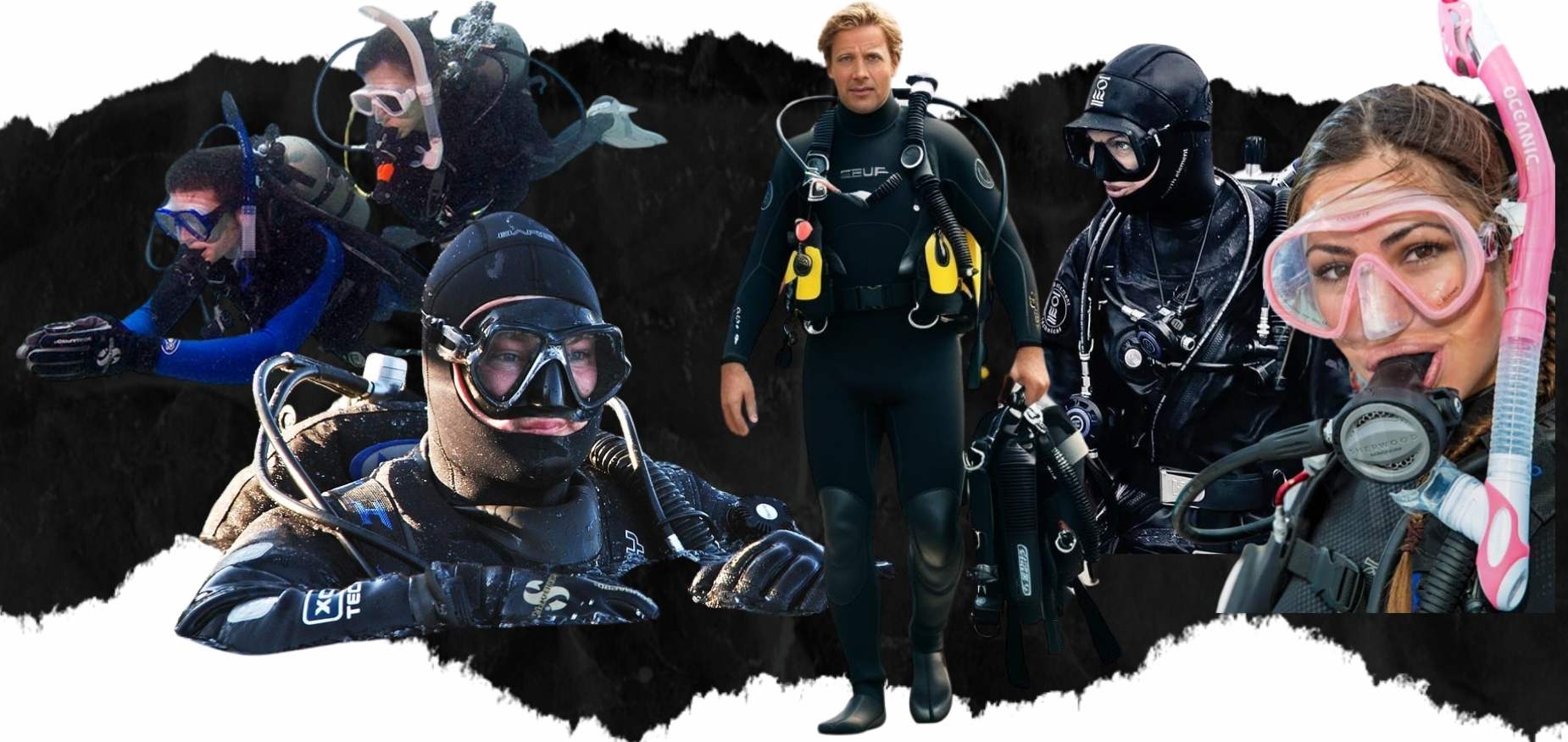
Recreational Divers Are Not Working Divers
Understanding the Role of a Recreational Scuba Diver
Discover what defines a recreational scuba diver, including training levels, limitations, and expectations.
A recreational scuba diver is an individual who has received training and certification to explore underwater environments for recreational purposes, personal enrichment, and non-professional activities. Most commonly certified through agencies like PADI, NAUI, or SSI, recreational scuba divers typically begin their journey with an Open Water Diver certification.
This foundational training enables them to dive to a maximum depth of 18 meters (60 feet) under the supervision or in partnership with another certified diver. With additional certifications such as Advanced Open Water or Rescue Diver, recreational scuba divers can dive deeper and expand their skills—but they are still trained for non-professional scenarios, under ideal or controlled conditions.

Many divers earn their certifications in warm, tropical waters. While beautiful, these environments often lack the challenging conditions found in Alberta lakes or cold water regions. Cold water diving introduces new hazards: lower visibility, colder temperatures, increased equipment needs, and physiological stressors—all of which require specialized training and local experience.
Qualifications and Limitations of Recreational Divers
Recreational diving certifications do not qualify divers for work-based underwater tasks—here's why.
A recreational scuba diver is trained to manage basic equipment, execute controlled dives, and return safely to the surface. Even advanced-level courses focus on problem-solving and skill-building for leisure diving—not professional tasks.
Critically, these certifications do not include training in the planning, risk management, or technical skill sets required to complete underwater work.
Recreational divers are not trained to:
These are just a few good reasons. Basically, they are not trained for this kind of hazardous diving, not even close.
Therefore, hiring a recreational scuba diver to perform underwater work, such as retrieving objects, inspecting infrastructure, or clearing debris, is not only inappropriate but also dangerous.
What Is an Occupational Diver?

Learn what defines an occupational diver and how their skills differ from recreational scuba divers.
An occupational diver, sometimes called a commercial diver depending on jurisdiction and training level, is a professional trained to perform underwater tasks related to construction, inspection, engineering, environmental surveys, and rescue.
They undergo rigorous certification through recognized institutions, such as the Diver Certification Board of Canada (DCBC) or equivalent training bodies. Occupational divers:
Unlike recreational divers, occupational divers are legally recognized professionals. Their work is held to regulatory standards, is insured, and is subject to liability protocols.
The Consequences of Hiring Recreational Divers for Professional Work
Hiring unqualified recreational divers for underwater work can lead to legal, financial, and safety disasters.
The risks of crossing the line between recreation and profession are significant. When recreational scuba divers are asked—or volunteer—to perform underwater work, the following negative outcomes may occur:
A Safer Path: From Recreational to Occupational Diver

Recreational divers can pursue professional careers through accredited training and proper certification.
If you're a recreational scuba diver interested in taking your skills to a professional level, the good news is there’s a clear and achievable path:
1. Gain Local Cold Water Experience. Transitioning to occupational diving starts with mastering local conditions. Take a drysuit course, complete an advanced certification, and dive regularly in cold water. Logging 100+ dives in diverse local conditions helps build confidence and real-world skills.
2. Take a Commercial or Occupational Diver Training Program. Look for programs accredited by the Diver Certification Board of Canada (DCBC) or equivalent in your country. These programs include:
3. Pass a Commercial Dive Medical Exam. Occupational diving requires documented medical clearance. This ensures you are physically and mentally prepared to handle the increased demands of working underwater. These exams are more in-depth than recreational fitness statements.
4. Gain Practical Dive Site Experience. Working as a tender or dive assistant helps build professional experience. You’ll learn how real dive teams operate, and what’s expected of a commercial diver on the job site.
Why Verification and Documentation Matter
Employers and clients must verify diver qualifications to protect themselves legally and ensure safety on the job.
Whether you're hiring a diver to recover a dock anchor or inspect a bridge, you need to confirm that the person is legally qualified and medically fit to do the work.
Ask for:
A recreational scuba diver with advanced certifications and 100 logged dives may have some experience, but they are still not legally qualified for professional underwater work.
Good intentions do not protect against accidents, fines, or lawsuits.
Final Thoughts: Dive Smart, Hire Smarter
Don’t let convenience override safety. Know the difference between recreational and occupational divers.
The world beneath the surface is incredible—but it’s also unforgiving. Recreational scuba divers are a vital part of the dive community, but they are not qualified or insured to do underwater work.
If you’re a diver considering crossing into professional territory, follow the proper path, invest in training, and protect your future. If you’re someone who needs underwater work done, ensure you hire an occupational diver with the right credentials.
Stay informed. Dive smart. Protect yourself and those around you.
